
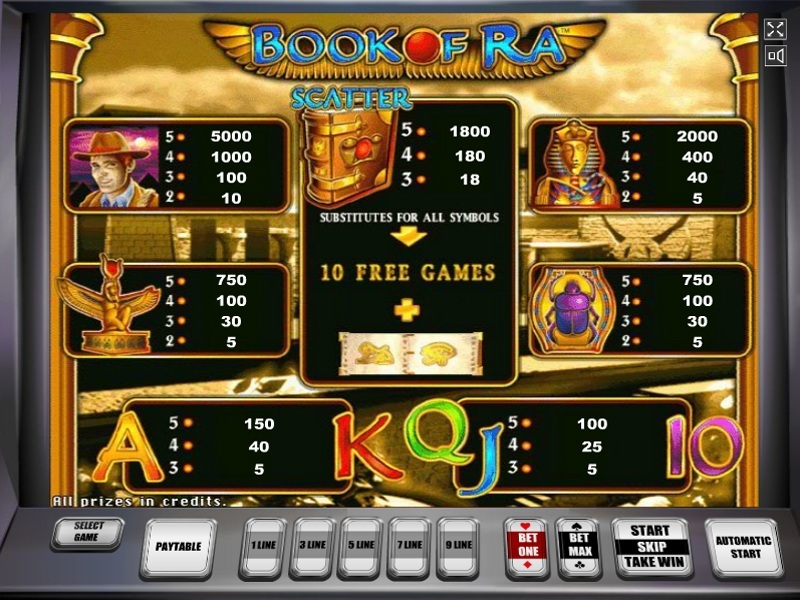
The connection of gambling loss and emotional distress is a complicated and often neglected reality slotbookof.com. While the thrill of games like the Book of Ra slot can be engrossing, the aftermath of significant losses can trigger profound feelings of grief, shame, and anxiety. In the UK, pursuing support for this specific type of distress presents distinct challenges, not least of which are the often-lengthy waiting times for professional grief counseling through the National Health Service (NHS). This article examines the emotional impact of gambling loss, framing it through a lens of grief, and provides a useful guide to handling the support landscape while waiting for formal counseling. We will review the psychological parallels between traditional grief and gambling loss, outline immediate coping strategies, and specify the alternative support networks available to bridge the gap during waiting periods, offering a roadmap for recovery that acknowledges the specific pain of this experience.
Comprehending Grief From Gambling Loss
The term “grief” is typically associated with the death of a loved one, but its psychological framework functions strongly to other profound losses, including substantial financial loss from gambling. When a player experiences a substantial loss on a game like Book of Ra Slot, they are not just grieving money. They are often grieving the loss of a hoped-for future, a sense of security, self-respect, and trust in their own judgment. This process can reflect the classic stages of grief—denial (“I can win it back”), anger (at the game, at oneself, at fate), bargaining (“if I just deposit a little more, I can fix this”), depression, and eventually, acceptance. Recognizing these feelings as a valid form of grief is the first essential step toward healing. It shifts the experience from a shameful secret to a recognizable emotional injury that deserves care and attention, allowing individuals to seek appropriate help without the added burden of feeling their pain is illegitimate or unwarranted.
The Emotional Impact of Substantial Loss
Past the immediate surprise, gambling loss can have profound and enduring psychological effects. The brain’s reward system, intensely activated during slot play, crashes in the absence of wins, leading to chemical imbalances that exacerbate feelings of emptiness and depression. This is often compounded by cognitive distortions, such as the “illusion of control” or “chasing losses,” which can persist long after the gambling session ends, creating a cycle of rumination and despair. The financial consequences cause acute stress, affecting relationships, housing stability, and overall life quality, which in turn fuels anxiety and a sense of hopelessness. This multifaceted psychological impact emphasizes why professional support can be crucial; it addresses not just the behavior but the underlying emotional trauma and faulty thought patterns that the loss has either caused or revealed.
Separating Regret from Pathological Grief
It is crucial to differentiate between typical regret over a unsuccessful bet and a more maladaptive grief response that demands intervention. While temporary disappointment is frequent, signs of a deeper issue include prolonged emotional distress that disrupts with daily life, compulsive thoughts about the loss or regaining funds, physical symptoms like sleep problems or appetite changes, and indulging in further risky behaviors to dull the pain. When the grief over a gambling loss becomes all-consuming, leads to withdrawal, or triggers thoughts of self-harm, it has moved beyond simple regret into a domain requiring structured support. Pinpointing this line is essential for individuals and their loved ones to understand the severity of the situation and the importance of seeking, and persistently looking for, professional help.
Dealing with NHS Counseling Wait Times
In the UK, the primary route to free, professional mental health support is through the NHS, specifically via Improving Access to Psychological Therapies (IAPT) services. However, high demand means waiting lists for talking therapies like grief counseling can be extensive, often ranging from several weeks to many months. This delay can feel particularly devastating for someone in acute distress following a gambling loss, where feelings of crisis are ibisworld.com pressing. The process typically begins with a GP referral or self-referral to an IAPT service, followed by an initial assessment to determine the level of care needed. During this waiting period, individuals are not without support, but they must actively seek out interim resources. Understanding that this wait is a systemic hurdle, not a reflection of the validity of one’s pain, is essential to maintaining the motivation to eventually access the formal help.
Urgent Steps While on the Waitlist
Being placed on a waiting list must not be a signal to pause all recovery efforts. Proactive steps can manage distress and even start the healing path before the first counseling appointment. The first and most crucial step is to create immediate distance from gambling triggers. This includes using self-exclusion tools like GAMSTOP, barring gambling sites, and avoiding settings where gambling is advertised. Simultaneously, creating a routine concentrated on physical health—regular rest, diet, and workouts—can help balance mood and lessen anxiety indicators. Financial evaluation is also vital; contacting a free debt counseling service like StepChange or National Debtline can relieve the practical pressure, which in turn decreases emotional load. These steps establish a groundwork of steadiness, rendering the individual more open to therapeutic work when their counseling appointment finally comes.
- Employ Self-Exclusion: Right away register with GAMSTOP to restrict online gambling access for a minimum of six months.
- Reach out to Debt Advisors: Contact StepChange or National Debtline for a private, free financial assessment and plan.
- Set up a Daily Structure: Build a simple schedule that includes wake-up times, meals, and a short walk to combat inertia and rumination.
- Apply Grounding Techniques: Master and employ simple mindfulness or breathing exercises to manage acute moments of panic or distress.
Alternative and Direct Support Networks
While waiting for NHS counseling, a variety of other and direct support networks can be found that focus in gambling-related harm. These resources offer community, understanding, and useful guidance from people who have experienced similar experiences. They operate alongside, not as a alternative for, professional medical advice but are extremely useful for providing real-time support and reducing the isolation that exacerbates grief. Engaging with these networks can explain the recovery process, provide hope through lived experience, and create a safe space to voice feelings without judgment. This multi-layered approach—combining peer support with eventual professional therapy—often yields the most sustainable recovery outcomes, as it tackles both the emotional and social dimensions of gambling loss.
Specialized Charities and Helplines
Groups like GamCare, Gordon Moody, and the National Problem Gambling Clinic offer focused support. GamCare runs the National Gambling Helpline (0808 8020 133), providing 24/7 free advice, information, and emotional support. They also provide structured one-to-one and group support sessions, both online and in-person, which may have shorter wait times than NHS counseling and are facilitated by trained advisors aware of gambling’s unique dynamics. Gordon Moody delivers intensive residential treatment programs for those with severe gambling disorders, providing a complete break from gambling triggers. These specialist services comprehend the language of gambling grief intimately and can supply coping strategies and a recovery framework adapted specifically to this issue, filling a critical gap during the NHS wait.
Mutual-Aid Recovery Groups
Peer support is a foundation of recovery for many. Groups like Gamblers Anonymous (GA) function on a 12-step model, offering regular meetings across the UK and online where individuals can discuss their experiences, strengths, and hopes with others on the same path. The impact of these groups lies in their universality; hearing others articulate similar feelings of loss and shame can be profoundly validating and diminish the sense of being uniquely flawed. Other forums, such as the subreddit r/problemgambling or dedicated online communities, provide constant, anonymous access to peer support. The shared experience within these groups promotes accountability, supplies practical tips for resisting urges, and builds a social network oriented towards health, which is especially crucial when formal counseling feels distant.
- GamCare’s NetLine: Provides live, one-to-one chat support through their website, delivering immediate, text-based assistance.
- Gamblers Anonymous Meetings: Discover a local or online meeting to connect with a sponsor and work through the 12-step program.
- BeatTheGame App: Employs a cognitive-behavioral approach via smartphone, presenting daily tasks and community support to reshape your relationship with gambling.
- Trusted Confidant: Identify one non-judgmental person in your life (friend, family member, clergy) with whom you can be honest about your struggle.
Effective Coping Mechanisms While Waiting
Beyond seeking external support, cultivating personal coping mechanisms is vital for handling day-to-day distress. These are not solutions to the underlying issue but are strategies to endure the difficult interval before professional help begins. The goal is to develop a “distress tolerance” toolkit that can be used when cravings to gamble or episodes of grief arise. This involves both distraction strategies and emotional processing exercises. Distraction might involve engaging in a hobby that requires focus, like model-building or learning a simple instrument, or physical activity like swimming or running. Emotional processing can be facilitated through journaling, specifically writing about the loss and its impact to express and explore the feelings. Crucially, these mechanisms should be employed during calm moments so they become familiar and available during times of crisis, creating a personal safety net.
Managing Finances and Digital Habits
Practical steps to remove the means and opportunity to gamble are a direct form of self-care. This goes beyond self-exclusion and involves a thorough review of one’s digital and financial life. It can include handing over control of finances to a trusted person temporarily, using cash-only budgeting systems, closing online betting accounts, and installing website-blocking software on all devices. Furthermore, opting out of gambling promotional emails and removing related social media accounts reduces environmental triggers. This “digital detox” from gambling stimuli is not punitive; it is a protective barrier that allows the grieving mind space to heal without constant assault from the source of its pain, effectively creating a safer psychological environment while awaiting therapy.
Common Questions
Is it common to experience authentic grief after sustaining a loss on a slot like Book of Ra?
Certainly. Major gambling loss commonly means more than just money; it can symbolize lost security, hope, and self-trust. The emotional response can parallel the stages of grief (denial, anger, bargaining, depression, acceptance). Identifying this as a valid form of grief is the first step toward seeking appropriate help and recovery, and it’s crucial not to dismiss these feelings as mere disappointment.

What are the usual waiting times for NHS grief counseling in the UK?
Wait times vary significantly by region and service demand but can extend from 4 to 18 weeks for an initial appointment after assessment. For more specialized or intensive therapy, waits can be longer. It’s important to request your GP or IAPT service for an estimated timeframe and to investigate alternative support options immediately while you remain on the waitlist.
What actions can I take right now if I’m in crisis over gambling losses?
Without delay call the National Gambling Helpline (GamCare) at 0808 8020 133 for 24/7 support. Use GAMSTOP to self-exclude from all UK gambling sites. For acute financial panic, phone StepChange (0800 138 1111). If you have thoughts of harming yourself, reach the Samaritans at 116 123. These services offer immediate, confidential first aid for your crisis.
Are there peer support groups like Gamblers Anonymous effective?
Indeed, for many people. Peer groups provide community, diminish isolation, and offer practical strategies from lived experience. They are not a substitute for professional therapy for underlying mental health conditions but are a powerful complementary support. The shared understanding can be incredibly validating and is often more immediately accessible than clinical services.
How do I explain my need for support to friends or family?
Select a calm moment and a trusted person. You might say, “I’ve been struggling with gambling, and the losses have affected me deeply, like a form of grief. I’m seeking help, but waiting for counseling. Your support would mean a lot.” You don’t need to share every detail. Concentrate on your feelings and your current actions toward recovery, which can make it easier for others to respond empathetically.
Leave a Reply